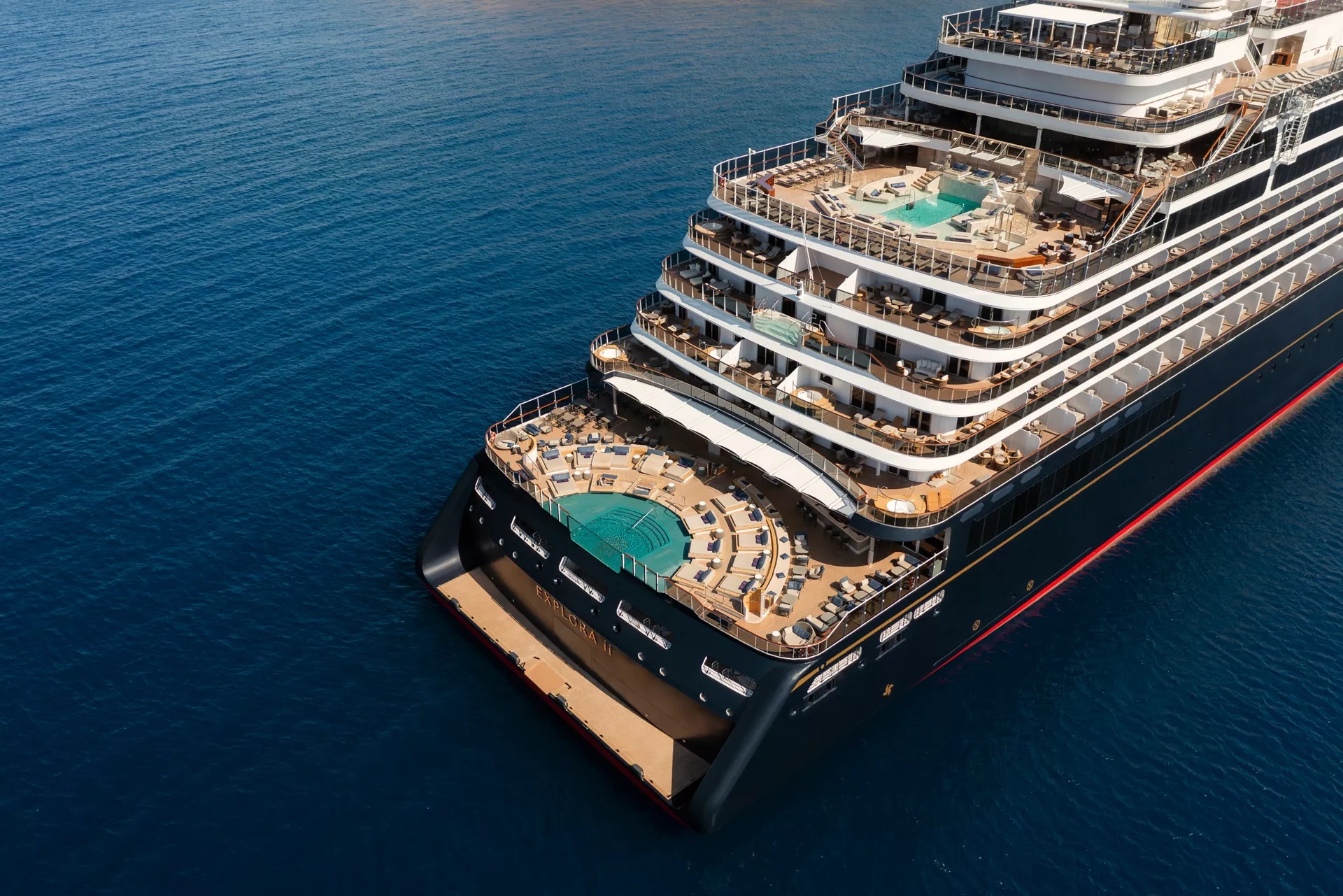


You've booked the Mediterranean cruise. The itinerary is set — Barcelona, Rome, Dubrovnik, Santorini. Then someone mentions ETIAS and EES, and suddenly you're reading EU policy documents at midnight.
Take a breath. These systems aren't obstacles. They're straightforward processes — but you do need to handle them before you board.
At a Glance
- EES (Entry/Exit System) replaces passport stamping for non-EU visitors. It collects biometric data electronically at EU border crossings.
- ETIAS is a pre-travel authorization for visa-exempt travelers, similar to the U.S. ESTA for visitors to America.
- As of mid-2026, both systems are expected to be operational — timelines have shifted before, so confirm current status before you sail.
- Most Americans cruising Europe will need both ETIAS authorization and enrollment in EES.
- Applying early and understanding port-by-port implications can save real headaches at embarkation.
What Is EES and Why Does It Affect Your Cruise?
The Entry/Exit System is the EU's shift away from manual passport stamping. Instead of an ink stamp at the border, EES captures your fingerprints, a facial image, and travel document details every time you enter or exit the Schengen Area.
For cruise travelers, this matters at embarkation and at ports of call. If your ship departs from Lisbon or Barcelona, you'll be processed through EES at that first Schengen entry point. The system tracks your 90-day allowance within the Schengen Area — something that's always existed as a rule but was difficult to enforce before.
Did you know the Schengen Area currently includes 29 countries? Croatia joined in January 2023, which means ports like Split and Dubrovnik now count toward your 90-day limit. If you're planning a shore excursion in Dubrovnik, your time ashore is counted within that window.
EES is not a visa. It's a border management tool. You don't apply for it in advance — it's processed when you physically cross a Schengen border.
What Is ETIAS and Do Americans Need It?
ETIAS — the European Travel Information and Authorisation System — is a pre-travel clearance requirement for visa-exempt travelers. Americans currently enter most of Europe without a visa. ETIAS doesn't change that. It adds a step before you fly or sail.
The authorization is applied for online, costs €7 for most applicants, and is valid for three years or until your passport expires. Once approved, it's linked to your passport electronically. You don't print anything or carry a physical document.
For ETIAS cruise travelers from the U.S., the application process is expected to take minutes in most cases. Some applications go into further review, which can take up to 30 days — so don't leave this until the week before departure. Apply as soon as authorization becomes available for your travel dates.
If your European river cruise starts in Amsterdam or Budapest, ETIAS will be required before you board. Planning a Rhine cruise from Basel to Amsterdam or a Danube itinerary? Both routes pass through Schengen countries where ETIAS will apply.
What's the Current Timeline for 2025 and 2026?
Here's where it gets a little complicated. Both EES and ETIAS have faced multiple launch delays. As of this writing, neither system is fully operational for U.S. travelers — but both are expected to roll out in 2025 or 2026.
Dreaming of your next voyage?
Let a Cruise Planners advisor build you a custom itinerary — no booking fees.
The official European Union sources indicate ETIAS will launch after EES is established. The current EU target has EES going live first, with ETIAS to follow. Specific dates have shifted before, and they may shift again.
What this means practically:
- If you're sailing to Europe in 2025, you may not need ETIAS yet — but check before departure.
- If you're sailing in 2026, budget time to complete both processes well in advance.
- Watch for updates from the official ETIAS website and EU border agency communications.
This is one of those situations where having a travel advisor monitoring the regulatory landscape for you is genuinely useful — not just convenient.
How Does This Work at Cruise Ports Specifically?
Ocean cruises add a layer of complexity. When your ship docks in a Schengen port, you're technically entering the Schengen Area each time — even for a few hours ashore. EES will track these individual entries.
For embarkation ports like Barcelona, Civitavecchia (Rome), or Piraeus (Athens), you'll go through the full EES biometric registration on arrival. This happens at the airport if you fly in, or at the port if you arrive by sea.
For transit-only port calls, the rules can vary. If you stay aboard the ship, you typically don't clear border control. If you go ashore, you do. Work with your cruise line to understand which ports require you to clear customs — and plan your shore excursions accordingly.
River cruises are somewhat different. Because ships dock in city centers rather than international terminals, border control procedures can vary by country and operator. Lines like AmaWaterways, Viking, and Uniworld have compliance teams tracking these changes — but your advisor should be confirming the specifics for your exact itinerary.
What Should You Do Before Your European Cruise?
Here's a practical checklist as both systems come online:
- Confirm your passport is valid for at least six months beyond your return date. Non-negotiable.
- Apply for ETIAS as soon as the system opens for your travel window. The €7 fee and a few minutes of your time could prevent a denied boarding.
- Check your Schengen day count if you're combining a pre- or post-cruise land trip. The 90-day rule applies across your entire stay.
- Contact your cruise line about their specific EES processing procedures at embarkation.
- Monitor official EU sources for launch date confirmation — not travel blogs, not social media.
Why This Is Exactly the Kind of Detail a Travel Advisor Handles for You
EU travel requirements for Americans are in flux. The rules exist, the systems are coming, and the timelines keep moving. That's not a reason to panic — it's a reason to work with someone tracking it professionally.
When you book a European cruise through an advisor, you're not just getting itinerary help. You're getting someone who monitors regulatory changes, flags documentation requirements specific to your itinerary, and makes sure nothing procedural derails a trip you've been planning for months. The difference between booking with a local travel advisor versus going online is never more apparent than when the rules change mid-planning cycle.
When you're ready to plan your European cruise — Mediterranean, river, or expedition — reach out to Ohana Cruises. Jeffrey Lazo and the team are here to make sure your documents, itinerary, and experience are all handled with the same level of care. Let's get you to Europe without the midnight policy reading.