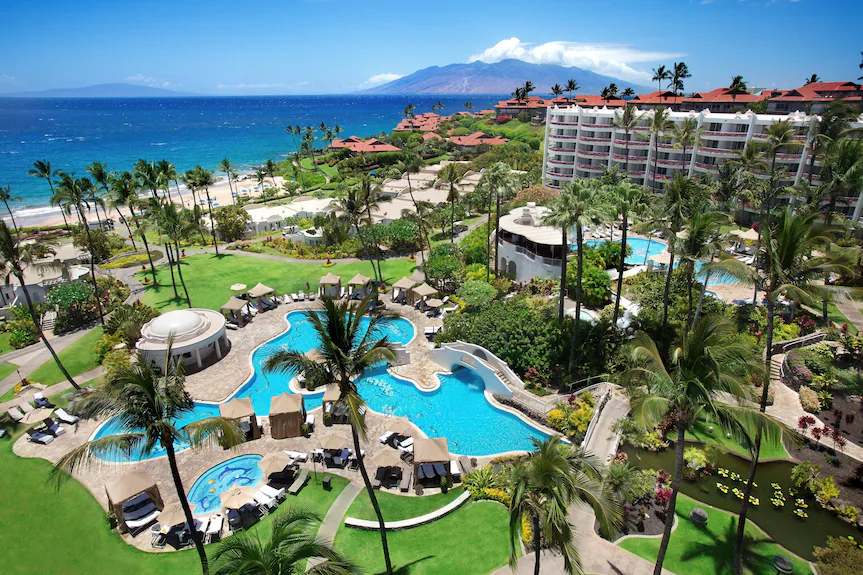


Your kids want a beach. Your teenager wants to actually do something. Your parents want good food and maybe a nap. And you need it all to work — in Hawaii, in the same week.
Oahu and Maui are the two islands families consider most often, and for good reason. Both deliver. But they deliver differently. Knowing which one fits your crew changes everything.
At a Glance
- Oahu is busier, more accessible, and packed with structured activities for all ages
- Maui is more scenic and relaxed — excellent for families who want nature over crowds
- Oahu wins on variety and logistics; Maui wins on beaches and outdoor adventure
- Both islands are reachable via the NCL Pride of America Hawaii cruise, which is worth serious consideration for families
- Your specific mix of ages and interests matters more than any general ranking
What Makes Oahu the Easier Family Choice?
Oahu handles the logistics of family travel better than any other Hawaiian island. Honolulu has a real airport hub, multiple hospital systems, and more accommodation variety per square mile than anywhere else in the state. For families traveling with very young children or elderly grandparents, that infrastructure matters.
Waikiki Beach is calm, swimmable, and close to everything. Diamond Head State Monument is a 560-foot volcanic crater with a 1.6-mile round-trip trail — genuinely doable for kids around six and up. The view from the summit is the kind of payoff that converts reluctant hikers.
The USS Arizona Memorial at Pearl Harbor is one of the most meaningful historic sites in the Pacific. For families with older kids and teenagers, it creates a moment that goes beyond the typical vacation photo. Plan two to three hours and book timed-entry passes in advance.
What Do Kids Actually Love About Oahu?
The North Shore delivers big. Haleiwa town is relaxed, colorful, and full of shave ice stops. Waimea Bay is calm enough in summer for strong swimmers. Polynesian Cultural Center in Laie covers Hawaiian, Samoan, Tongan, Fijian, and Māori culture through live demonstrations — it runs long but kids genuinely engage with it.
For younger children, the Honolulu Zoo and Waikiki Aquarium are small but well-curated. Neither will take a full day, which is the point. Oahu lets you stack experiences without long drives between them.
Why Maui Pulls Families Who Want More Nature
Maui's geography is the whole story. The island sits between two volcanic mountains — Haleakalā at 10,023 feet and the West Maui Mountains — and that dramatic landscape shapes everything about what you can do there.
Haleakalā National Park is unlike anywhere else in Hawaii. Watching sunrise from the summit crater is a legitimate once-in-a-lifetime experience. You'll need a timed sunrise entry reservation, and the 3am wakeup is real — but families who do it almost universally say it was the highlight of their entire trip.
The Road to Hana winds through 64 miles of rainforest, waterfalls, and black-sand beaches. Driving the full route with young children is genuinely exhausting. But stopping at Waianapanapa State Park (the black-sand beach), Twin Falls, and a few roadside fruit stands makes for a day your family will still talk about years later.
Dreaming of your next voyage?
Let a Cruise Planners advisor build you a custom itinerary — no booking fees.
Where Do Maui's Beaches Stand?
Kaanapali Beach on the West Side is arguably the most family-friendly stretch of sand in all of Hawaii. It's wide, protected, has calm surf for most of the year, and has resorts lining the shore with direct beach access. Whaler's Village is walkable for a meal or a scoop of Lappert's.
Molokini Crater snorkel tours depart from Maalaea Harbor most mornings. The crescent-shaped submerged crater sits offshore with visibility that regularly exceeds 100 feet — it's the kind of underwater experience that turns kids into future divers. (If your family has a scuba itch, French Polynesia is worth comparing once your kids are old enough.)
How Do the Islands Compare on Logistics?
| Factor | Oahu | Maui |
|---|---|---|
| Airport access | Major hub (HNL) | Regional (OGG), easy connections |
| Getting around | Bus + rideshare viable | Car rental nearly essential |
| Beach variety | Good, crowded near Waikiki | Exceptional, varied by coast |
| Rainy season impact | Year-round tradewinds help | Hana side stays wetter |
| Best for ages | All ages, especially under 8 | Families with kids 8 and up |
| Multigenerational ease | High | Moderate |
Oahu gives you more flexibility when someone in the group doesn't want to drive two hours to see a waterfall. Maui rewards families who build their days around destinations rather than convenience.
Could You Do Both — and Should You?
Yes, and it's more common than you'd think. Inter-island flights on Hawaiian Airlines or Southwest run about 35 to 45 minutes. Many families do four nights on one island and three on the other. The hard part is the logistics of moving bags, car seats, and gear with children in tow.
The NCL Pride of America solves this cleanly. You unpack once and wake up at a new island. It covers Maui, Oahu, Kauai, and the Big Island in a single itinerary. For multigenerational families especially, this is worth looking at seriously. There's a full breakdown of what to expect if you want to dig in.
If you're planning a land-only trip, also check the Maui vs Kauai comparison — Kauai is a third option worth ruling out intentionally rather than by accident.
What About Souvenirs, Gifts, and the Little Things?
Both islands have excellent options for bringing a piece of Hawaii home. Local macadamia nuts, Kona coffee, and Maui-made sea salts are genuinely good gifts that travel well. If you want specific guidance on what's worth buying versus what's tourist filler, the Hawaii souvenirs guide covers it well.
Why an Advisor Makes This Decision Easier
The Oahu vs Maui question sounds simple until you factor in the ages of your kids, how your family handles long car rides, whether Grandma needs elevator access, and whether the 14-year-old will actually come off their phone for a sunrise hike. These are the real variables.
Working with a Hawaii-focused travel advisor means those details get built into your itinerary from the start — not patched together after booking. Resort selection, activity timing, inter-island connections, and age-appropriate experiences all get mapped before you leave Colorado.
When you're ready to start planning your Hawaii family vacation, reach out to Jeffrey Lazo at Ohana Cruises. Let's look at your family's mix and build something that actually works for everyone at the table.