

You've done the fourteeners. You've camped above treeline in Rocky Mountain National Park. You own good boots and you know how to read weather. So why does "cruise" still sound passive to you?
It shouldn't. Expedition cruising is built for people exactly like you.
At a Glance
- Expedition ships carry small groups (often under 200 guests) to places big ships can't reach
- Zodiac landings, guided hikes, and wildlife walks are core to the itinerary — not add-ons
- Destinations like Antarctica and the Galápagos reward the same patience and curiosity that makes a great trail hiker
- Colorado travelers are already physically and mentally prepared for this style of travel
- Working with a knowledgeable travel advisor matters more on expedition voyages than almost any other trip type
What Makes an Expedition Cruise Different from a Regular Cruise?
Forget the pool deck and the Broadway show. Expedition ships are working vessels with a purpose. They're designed to get you somewhere remote and put you directly into the landscape.
Most expedition ships carry between 100 and 200 guests. That ratio matters. Fewer passengers means faster Zodiac boarding, more attentive guides, and quieter landings at wildlife sites. You're not shuffling through a crowd — you're walking out onto a black sand beach with a naturalist who actually knows the birds by call.
The ships themselves are built for ice-prone or shallow waters. Many carry Zodiac inflatable crafts, kayaks, and sometimes even submarines or ROVs. The daily rhythm looks nothing like a traditional cruise. You wake up, check the weather briefing, pull on your layers, and go ashore.
Why the Hiker Mindset Is Exactly What Expedition Travel Rewards
Hiking trains you to be present. You read terrain. You move at a pace that lets you notice things. That skill — that habit of paying attention — is exactly what separates a great expedition traveler from someone who just wanted a photo.
In the Galápagos, blue-footed boobies perform their courtship dance a few feet from the trail. Marine iguanas pile up on lava shelves like living sculptures. None of it happens on a schedule. You have to slow down and watch. Colorado hikers get that instinctively.
In Antarctica, the scale rewires your sense of distance. A glacier that looks close takes an hour to reach by Zodiac. The silence is physical. People who are comfortable with big, quiet, wild spaces tend to feel at home there immediately. If you've ever stood on a summit in the San Juans with no one else in sight, you already know what that feels like.
Which Destinations Should Colorado Adventurers Consider First?
Antarctica Expedition Cruise
This is the one that changes people. The Antarctic Peninsula is accessible from Ushuaia, Argentina, and most voyages run 10 to 14 days. You'll cross the Drake Passage — two days of open ocean — and emerge into a world of tabular icebergs, penguin colonies, and humpback whales feeding near the ship.
The hiking is real. Steep scrambles up volcanic slopes. Long walks across tundra to reach penguin rookeries. Some operators offer snowshoeing or polar plunging for those who want to push further. This is absolutely an Antarctica expedition cruise worth serious consideration for any active Colorado traveler.
Did you know that Antarctica has no permanent human population and receives roughly 50,000 visitors per year by sea? For context, Rocky Mountain National Park sees that many visitors in a busy weekend. The scale of the difference is hard to overstate.
Galápagos Expedition Cruise
A Galápagos expedition cruise operates differently than most voyages. Ecuador's national park rules limit the number of visitors at each site and require all guests to travel with certified naturalist guides. Every landing is purposeful. Every trail has a reason.
Dreaming of your next voyage?
Let a Cruise Planners advisor build you a custom itinerary — no booking fees.
The wildlife here has no fear of humans — which means you'll have a giant tortoise walk past your boots without breaking stride. Giant Galápagos tortoises can live over 100 years, and some of those alive today were alive during Darwin's visit. That kind of geological and biological intimacy is rare anywhere on Earth.
Ships in the Galápagos are intentionally small, usually 16 to 100 guests. That's a big part of why this works as an adventure cruise for Colorado travelers — it's active, guided, and deeply educational without feeling like a classroom.
Alaska's Inside Passage
If Antarctica feels like a stretch for a first expedition voyage, Alaska is the gateway. Small ships navigate the Inside Passage between glacier-carved fjords, pulling into ports like Sitka and Wrangell that large cruise ships bypass entirely. You can kayak alongside humpbacks, hike to a hanging glacier, or watch bears fish a salmon stream from a skiff. The shore excursion possibilities in Southeast Alaska are genuinely impressive — and the scenery speaks for itself without any hype.
Which Expedition Cruise Lines Are Worth Knowing?
Not all expedition cruise lines operate at the same level. A few that consistently deliver:
- Silversea Expeditions — combines expedition rigor with serious onboard comfort. Their ships carry under 200 guests and include expert expedition teams. The Silver Endeavour operates in Antarctica and is one of the more capable vessels in the polar category.
- Seabourn Expedition — the Seabourn Venture and Seabourn Pursuit both carry six submarines and 24 kayaks alongside a full expedition team. This is a ship built to go places and actually do things.
- Lindblad Expeditions — the oldest name in this space and long-time partners with National Geographic. Their naturalist staffing is exceptional. Strong presence in both the Galápagos and Antarctica.
- Hurtigruten Expeditions — Norwegian roots, polar expertise, and an emphasis on citizen science. Guests can participate in real data collection during voyages.
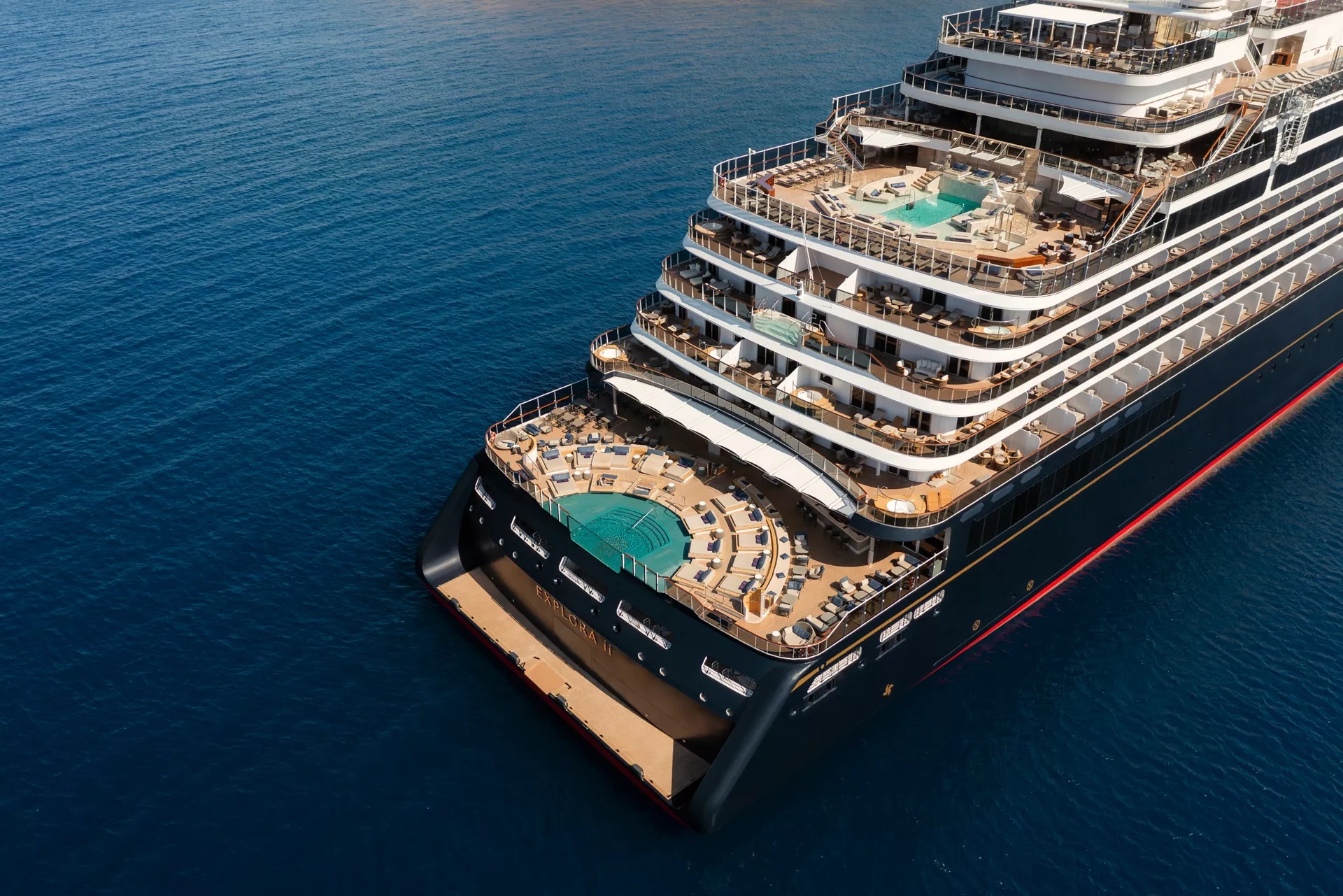
For a broader look at how luxury expedition lines compare to more traditional luxury sailings, the comparison between Silversea and Explora Journeys gives useful context on where each brand sits on the comfort-versus-adventure spectrum.
What Should You Pack and Prepare for an Expedition Voyage?
This is where your hiking background is a real advantage. You already own the foundation.
Layers are non-negotiable — especially for Antarctica and Alaska. Moisture-wicking base layers, a midlayer fleece, and a waterproof shell are exactly what you'd wear above treeline in October. Most expedition lines provide rubber Zodiac boots and expedition parkas, which removes two of the bulkier items from your packing list.
Fitness preparation matters more on expedition voyages than on any other cruise type. Shore landings can involve wet Zodiac boarding (stepping into shallow surf), uneven volcanic terrain, and long walks on soft ground. If you're already hiking regularly at Colorado's elevation, you're more prepared than most guests who board these ships.
Bring good binoculars. Bring a real camera if you have one. And bring patience — wildlife doesn't perform on demand, and the travelers who do best are the ones who can stand quietly for twenty minutes waiting for something extraordinary to happen.
Why an Advisor Makes a Bigger Difference on Expedition Voyages
Expedition itineraries have real complexity. Departure timing for Antarctica matters — early season (November) offers better ice conditions for some regions; later season (February) means more whale activity and molting penguins. The Galápagos has eastern and western circuit itineraries that visit different islands and require a deliberate choice based on what you most want to see.
Ship selection matters too. Two ships can visit the same destination and deliver dramatically different experiences based on guide quality, Zodiac access, and passenger count. These aren't details you can evaluate from a booking website. As a CLIA-affiliated advisor with direct relationships across the major expedition lines, my job is to match you to the voyage that fits how you actually travel — not just what's available.
When you're ready to start planning, reach out to Ohana Cruises. Let's figure out which expedition voyage fits where you are right now — and build an itinerary that gets you somewhere genuinely remarkable.