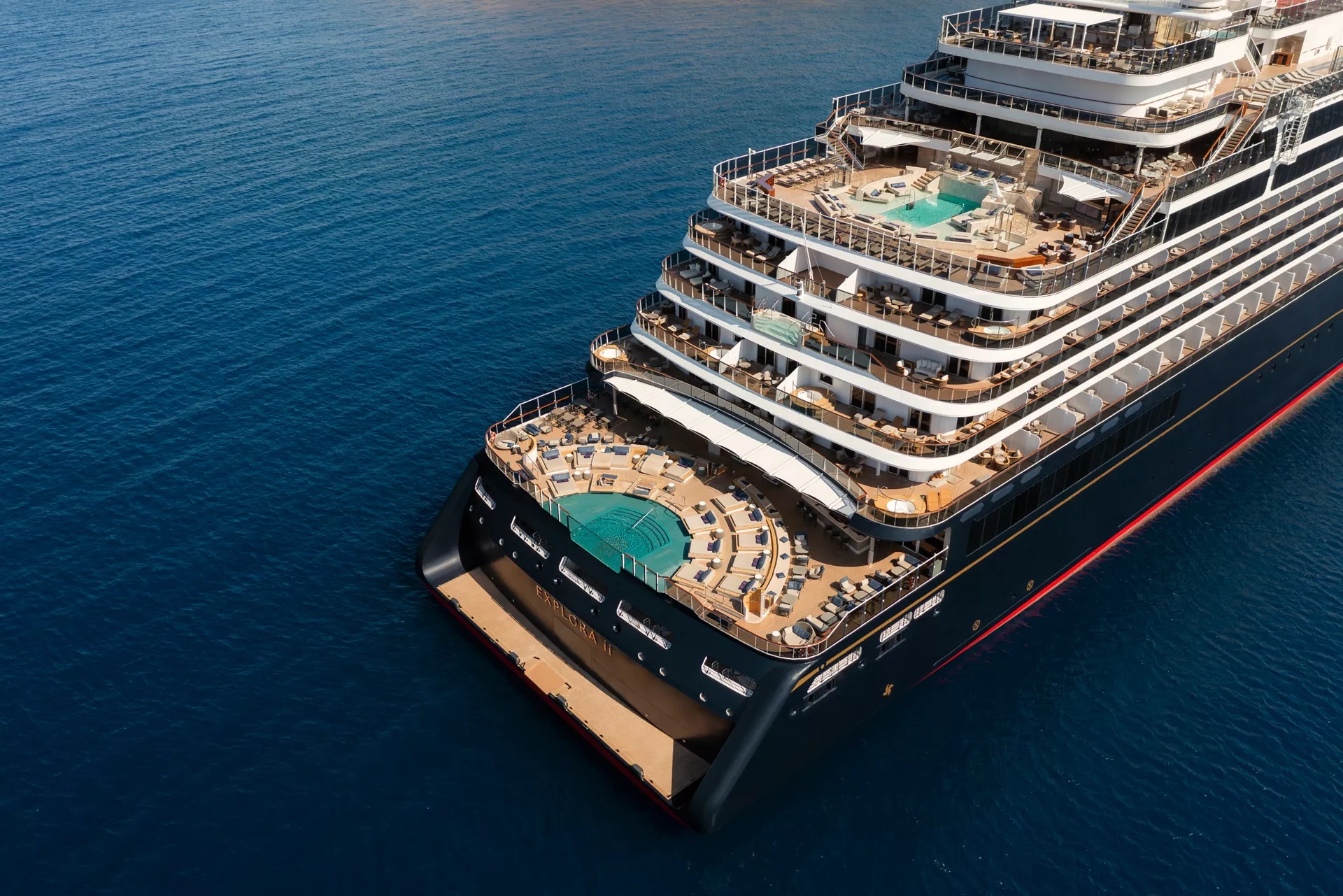


Antarctica Expedition Cruising: What Makes It Different?
Some destinations stop you cold. Antarctica is one of them — literally. Antarctica expedition cruising isn't a beach vacation with penguins. It's a genuine wilderness experience on a moving ship, one that puts you face-to-face with a continent that fewer people have visited than have been to space.
This is not a trip you stumble into. It takes real planning, a real investment, and the right guidance. But for travelers who do it right, it becomes the journey they measure everything else against.
Is Antarctica Expedition Cruising Worth the Cost?
Let's be direct: an Antarctic expedition cruise isn't cheap. Voyages typically run 10 to 21 days. Most departures leave from Ushuaia, Argentina — the southernmost city in the world. Expedition-style ships carry anywhere from 100 to 500 guests, and the most intimate vessels sell out more than a year in advance.
What you're paying for goes far beyond a cabin. Zodiac landings, expert naturalist guides, and shore excursions in pristine wilderness are usually included. You're not booking a cruise. You're booking access.
For travelers who've already explored the Caribbean, Europe, and Alaska, Antarctica feels like the natural next chapter. If you've been comparing expedition-focused cruise lines, our guide to Silversea, Regent Seven Seas, and Seabourn offers helpful context — Silversea's Expedition division, in particular, has built a strong reputation in polar waters.
What's Usually Included?
On most Antarctic expedition cruises, you can expect:
- All meals and lectures onboard
- Zodiac landings and guided shore excursions
- Expedition parka (yours to keep on many lines)
- Expert naturalists, geologists, and wildlife biologists
- Port fees and gratuities (varies by operator)
Optional add-ons — like kayaking, camping on the ice, or helicopter flights — cost extra. Book those early. They fill fast.
When Should You Go to Antarctica?
Antarctica's expedition season runs from November through March, which is the Southern Hemisphere's summer. Each month offers something distinct.
November brings dramatic snowscapes and the first penguin arrivals. December and January offer near-constant daylight and active penguin colonies. February is prime for whale activity. March sees the last departures of the season and a quieter, more contemplative pace.
Did you know? During peak Antarctic summer, you can experience up to 20 hours of daylight near the peninsula. That means Zodiac landings can happen at 10 p.m. in full sun.
Timing matters enormously. A travel advisor who specializes in expedition travel can help you match the right month to your priorities — whether that's wildlife density, weather windows, or crowd levels.
How Do You Choose the Right Ship?
Not every ship that calls itself an expedition vessel is the same. Hull strength, Zodiac capacity, and guide-to-guest ratios vary widely. Small ships — those carrying under 200 guests — allow for more frequent landings and a more personal experience.
Dreaming of your next voyage?
Let a Cruise Planners advisor build you a custom itinerary — no booking fees.
Lines like Hurtigruten, Lindblad Expeditions, and Silversea Expeditions have deep roots in polar travel. Ponant and Viking Expeditions have also built compelling Antarctic programs in recent years. Each line has a different personality, pace, and price point.
This is exactly where working with a knowledgeable travel advisor makes a measurable difference. The details that look similar on a brochure — itinerary length, departure ports, included landings — can vary significantly in practice. A good advisor has been there, talked to past guests, and knows which ships deliver on their promises. Our piece on travel advisor vs. booking a cruise online walks through why that expertise matters, especially for complex itineraries like this one.
What Should You Pack for an Antarctic Expedition?
Packing for Antarctica requires a different mindset than any other cruise. Layers are everything. The weather shifts fast — sunny and calm one hour, overcast and windy the next.
Your ship will provide waterproof outerwear for Zodiac landings. But you'll want to bring thermal base layers, waterproof pants, wool or synthetic mid-layers, and sturdy waterproof boots. Leave the heels at home.
A good camera matters too. Bring extra memory cards and a waterproof bag. You will take more photos than you think.
For shore excursions in polar destinations, the same mindset applies as it does for Alaska shore excursion planning — come prepared, stay flexible, and let the environment surprise you.
How Far in Advance Should You Book?
Book early. That's not a suggestion — it's the reality of expedition travel. The most desirable departures, especially on small ships with under 150 guests, sell out 12 to 18 months ahead. If you're targeting a specific season, start conversations now.
Early booking also gives you time to prepare physically. Antarctica is not a strenuous destination, but Zodiac boarding and uneven terrain on landings require reasonable mobility. Most operators are clear about physical requirements. Ask before you book.
Flights into Ushuaia often require a connection through Buenos Aires. Build in buffer days on both ends. Weather delays in the Drake Passage region are real.
FAQ: Antarctica Expedition Cruising
How long is a typical Antarctica expedition cruise? Most voyages range from 10 to 23 days, including travel to and from Ushuaia. Shorter trips often focus on the Antarctic Peninsula. Longer routes may include South Georgia or the Falkland Islands.
Is the Drake Passage really that rough? It can be. The Drake is one of the roughest stretches of open ocean on earth. Modern expedition ships are stabilized, and most guests adapt quickly. Motion sickness patches or medication are worth having on hand.
Can you visit Antarctica year-round? No. The expedition season runs November through March only. Outside that window, the continent is inaccessible to civilian vessels.
Do I need special travel insurance for Antarctica? Absolutely. You'll want comprehensive travel insurance with medical evacuation coverage. Standard travel insurance is not enough for polar destinations.
What wildlife can you see in Antarctica? Expect penguins — millions of them across several species. Also leopard seals, fur seals, elephant seals, humpback and minke whales, and extraordinary seabirds including albatross.
When you're ready to start planning your Antarctica expedition, Jeffrey Lazo and the Cruise Planners team are here to help. This is one of those trips that deserves expert guidance from the very first conversation. Reach out, and let's build the journey you've been thinking about.