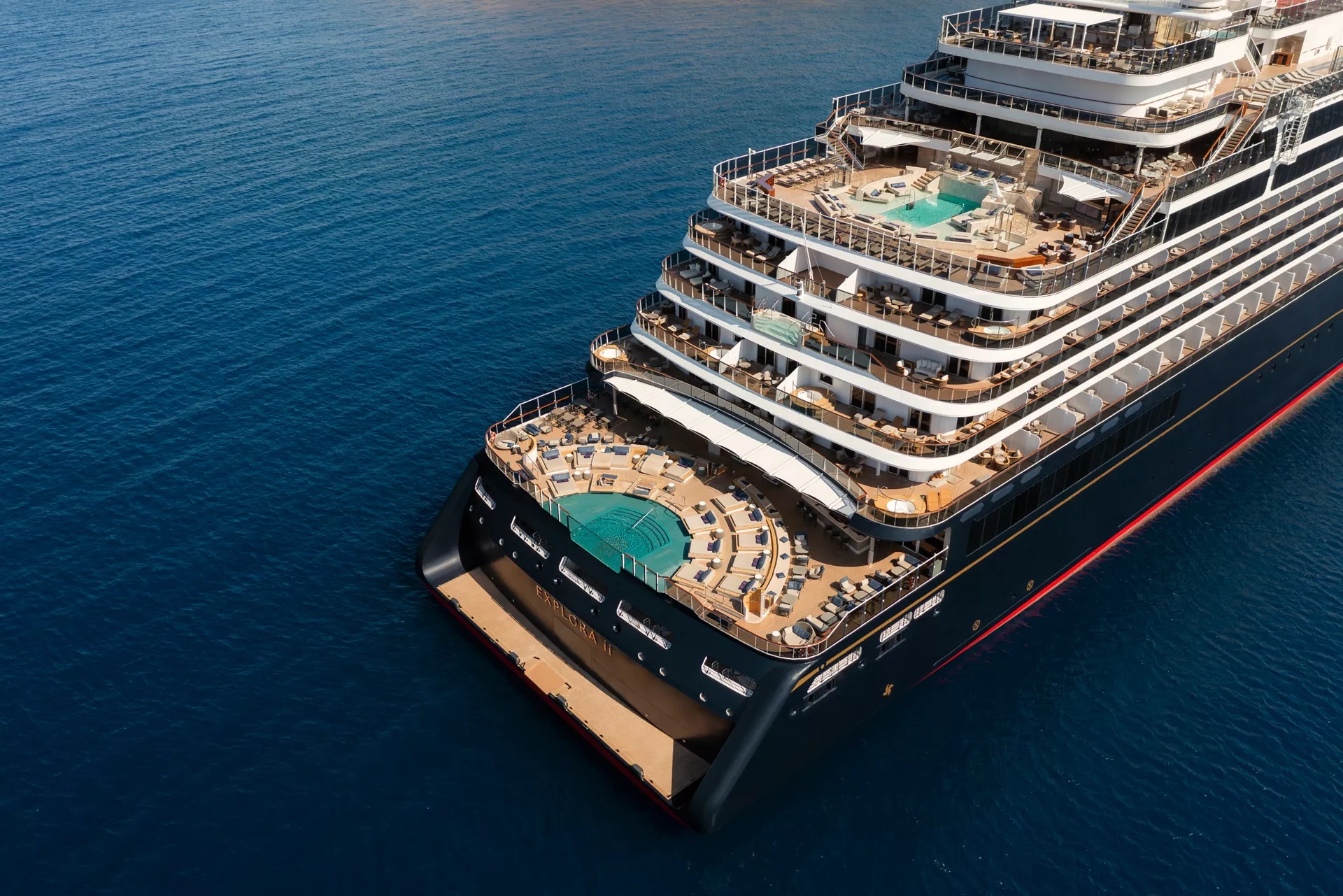


Grandma wants a sea day with a cocktail and a good book. Your teenager wants the waterslide and the arcade. Your brother-in-law wants to kayak in a fjord. And somehow, you're the one who volunteered to make this work.
A multi-generational cruise vacation is one of the most rewarding trips a family can take together — but it requires a different planning approach than booking a solo getaway. The logistics are real. So are the rewards, when you get it right.
At a Glance
- Cabin selection and ship size matter more than almost anything else for multigenerational groups
- The right cruise line for three generations isn't the flashiest one — it's the one with the widest activity range
- Shore excursions need to be segmented by mobility and interest, not forced into one-size-fits-all group tours
- Booking connecting or adjacent cabins early is critical — they sell out fast for large groups
- A travel advisor saves you hours of coordination and catches conflicts before they become problems
Why a Cruise Actually Works for Three Generations
Hotels require everyone to agree on a base city. All-inclusives often cater to one demographic. A cruise ship is different. It moves through multiple destinations while everyone shares the same home base — and that shared base has something for every age.
The family cruise three generations model works because it gives grandparents, parents, and kids built-in independence. Grandpa can sleep in while the grandkids hit the pool. Everyone reunites for dinner. Nobody has to coordinate transportation between activities.
The sea day is secretly the multigenerational cruiser's best friend. While the kids are in the supervised kids' club, grandparents have the quieter lounges to themselves. Parents actually get to decompress. It's one of the few vacation formats where everyone gets personal space and together time.
What Cruise Lines Work for Grandparents and Grandkids?
Not every cruise line is built for mixed-generation travel. Expedition ships and ultra-luxury lines skew adult. Ocean lines with robust kids' programming and accessible facilities for older guests are your target.
Royal Caribbean is the most frequently recommended option, and for good reason. Ships like Wonder of the Seas and Icon of the Seas carry enough amenities to keep every age group genuinely busy. The Adventure Ocean kids' club runs for ages 3–17 in age-segmented groups. There's also gentle programming for guests who want a quieter pace.
Norwegian Cruise Line gives you more flexibility with its Freestyle Dining model, which matters when different generations eat at different speeds and times. Their larger ships, like Norwegian Prima or Norwegian Viva, offer multi-generational suite complexes called The Haven — a ship-within-a-ship concept that keeps the group together while providing privacy.
Disney Cruise Line is worth mentioning for groups with younger grandchildren. The programming is exceptionally well-organized, and — contrary to what some assume — the ships are genuinely enjoyable for adults traveling without kids. If you have grandkids under 12, it belongs on your shortlist. The Disney Cruise Line First-Timer's Guide goes deeper on what to expect.
For grandparents who prefer a more refined pace alongside engaged younger adults, Holland America Line threads the needle well. It's not the most youth-oriented experience, but its mid-size ships offer better service ratios, excellent enrichment programming, and calmer sea days.
How to Handle Cabins for a Large Family Group
This is where most multigenerational cruise trips run into trouble, and where early booking pays off dramatically.
Dreaming of your next voyage?
Let a Cruise Planners advisor build you a custom itinerary — no booking fees.
Connecting cabins are the gold standard for families traveling with young children or grandparents who may need assistance. The connecting door allows easy access without walking through public corridors. They disappear quickly — often 12 to 18 months out on popular sailings.
For groups of six or more, look at ships that offer family suites or suite complexes. Norwegian's The Haven and Royal Caribbean's Connecting Family Suites provide multiple bedrooms under one roof, or adjacent suites with a shared butler. It costs more, but it eliminates the cabin-coordination headache entirely.
If budget is a factor, consider booking a mix of cabin categories — an inside cabin for the grandkids with a connecting balcony for the grandparents, for example. The Cruise Cabin Categories Explained guide breaks down exactly what you're paying for at each tier.
Shore Excursions: Stop Trying to Keep Everyone Together
This is the mindset shift that saves multigenerational cruise trips: you don't all have to go ashore together.
In port, group by interest and mobility — not by family unit. Grandparents who have limited mobility might prefer a scenic bus or boat tour, or even a relaxed morning in port followed by an early return to the ship. Teenagers might want snorkeling or a zipline experience. Parents might split off for a cooking class or a walking food tour.
Did you know that most major cruise lines offer ship-sponsored excursions specifically designed for mixed mobility groups? They're not always marketed as such, but an advisor can identify which shore excursion operators offer accessible vehicles, slower pacing, and appropriate terrain.
If your multigenerational cruise includes Alaska, the Best Alaska Family Cruise guide outlines specific excursions that work across age ranges — whale watching, glacier flightseeing, and narrated scenic tours being the clearest fits.
Dining, Scheduling, and Setting Expectations Before You Board
The single most common frustration on a multigenerational cruise isn't an activity — it's dinner. Grandparents may want early traditional dining. Teenagers eat on their own timeline. Toddlers have a narrow window before everything falls apart.
Plan one or two group dinners as anchors for the week — a specialty restaurant booking everyone attends, or a standing 6:30 PM reservation in the main dining room. Leave the rest of the meals flexible. That flexibility reduces friction dramatically.
Before you board, have a direct conversation about the trip's pace. Some grandparents want to be involved in every excursion. Others are thrilled to have quiet sea days while the younger generations explore. Neither is wrong. Knowing this in advance means you plan around it instead of around a conflict.
Also check in on health-related logistics early — mobility aids, dietary restrictions, medication storage, and travel insurance. These aren't awkward to discuss with the right framing. A good multigenerational cruise planning guide covers this in detail.
Why an Advisor Makes Multigenerational Trips Easier
Coordinating cabins, dining times, shore excursions, and travel insurance across three generations — and often three separate household budgets — is genuinely complex. The mechanics alone can consume weeks of your time if you're navigating it through an online booking engine.
An experienced travel advisor holds group space, coordinates cabin assignments, flags age-appropriate excursions by port, and monitors for price drops or category upgrades. They also know which sailings and ships have the infrastructure your group actually needs — not just what the brochure suggests. That's the difference between a trip everyone talks about for years and one where someone's unhappy by day three.
Working with an advisor is especially valuable if this is your first multigenerational cruise, or if you're mixing first-time cruisers with seasoned ones. The 10 Mistakes First-Time Cruisers Make post is worth sharing with members of your group who haven't sailed before.
When you're ready to start planning your multigenerational cruise vacation, reach out to Ohana Cruises. Jeffrey Lazo will help you find the right ship, sort the cabin puzzle, and build an itinerary that actually works for everyone at the table.