

The ship sailed without them. A family of five, booked on a seven-night Caribbean cruise, got stuck in Atlanta during a weather delay and watched their departure time come and go from a gate in Concourse B. The cruise line didn't wait. It never does.
At a Glance
- Fly in the day before embarkation — every time, no exceptions
- Weather, mechanical delays, and missed connections happen even on clear-sky days
- Cruise lines will not hold the ship for late-arriving passengers
- A pre-cruise hotel is far cheaper than the cost of catching the ship at the next port
- Travel insurance with trip interruption coverage is essential, not optional
Why Do Cruise Ships Leave Without Passengers?
Cruise ships run on a precise schedule. Port fees, tidal windows, and multi-port itineraries leave almost no margin for delay. When the clock hits sailing time, the gangway comes up.
This isn't a policy quirk. It's maritime law and contract. Your cruise ticket actually spells it out. The ship departs on schedule — full stop.
Did you know that cruise lines report thousands of missed embarkations every year? Most happen because travelers booked same-day flights. One mechanical delay, one weather system, one missed connection, and your vacation is over before it begins.
What Can Go Wrong on Embarkation Day?
People underestimate how much can unravel between their front door and the pier. It's not just flight delays, though those are the most common culprit.
Ground transportation can break down too. Taxis don't show. Ride-share apps surge. Traffic near port cities like Miami, Fort Lauderdale, or Barcelona can be brutal on a Saturday morning when every ship in the harbor is loading at once.
Your checked bag might arrive in Miami. You might not. Airlines route luggage on different flights all the time, and tracking down a bag the morning of embarkation while your taxi is waiting is exactly as stressful as it sounds.
Same-day domestic connections are particularly dangerous. Booking a 6 a.m. flight from Denver to catch a noon connection to Galveston feels like it should work on paper. In January, during the holidays, or during summer thunderstorm season — it often doesn't.
How Flying In Early Actually Protects You
Arriving the night before embarkation removes almost every same-day variable. Your flight can be delayed, rerouted, or canceled, and you still have a full cushion to sort it out.
You also get to start your vacation feeling like a human being. Rushing through an airport at dawn, sprinting to a pier shuttle, and boarding a ship with your heart still racing is not how any trip should begin.
A pre-cruise night in the embarkation city is genuinely enjoyable. Miami's Wynwood Arts District, New Orleans' French Quarter, Rome's Trastevere neighborhood — these aren't just places to sleep. They're the beginning of your trip.
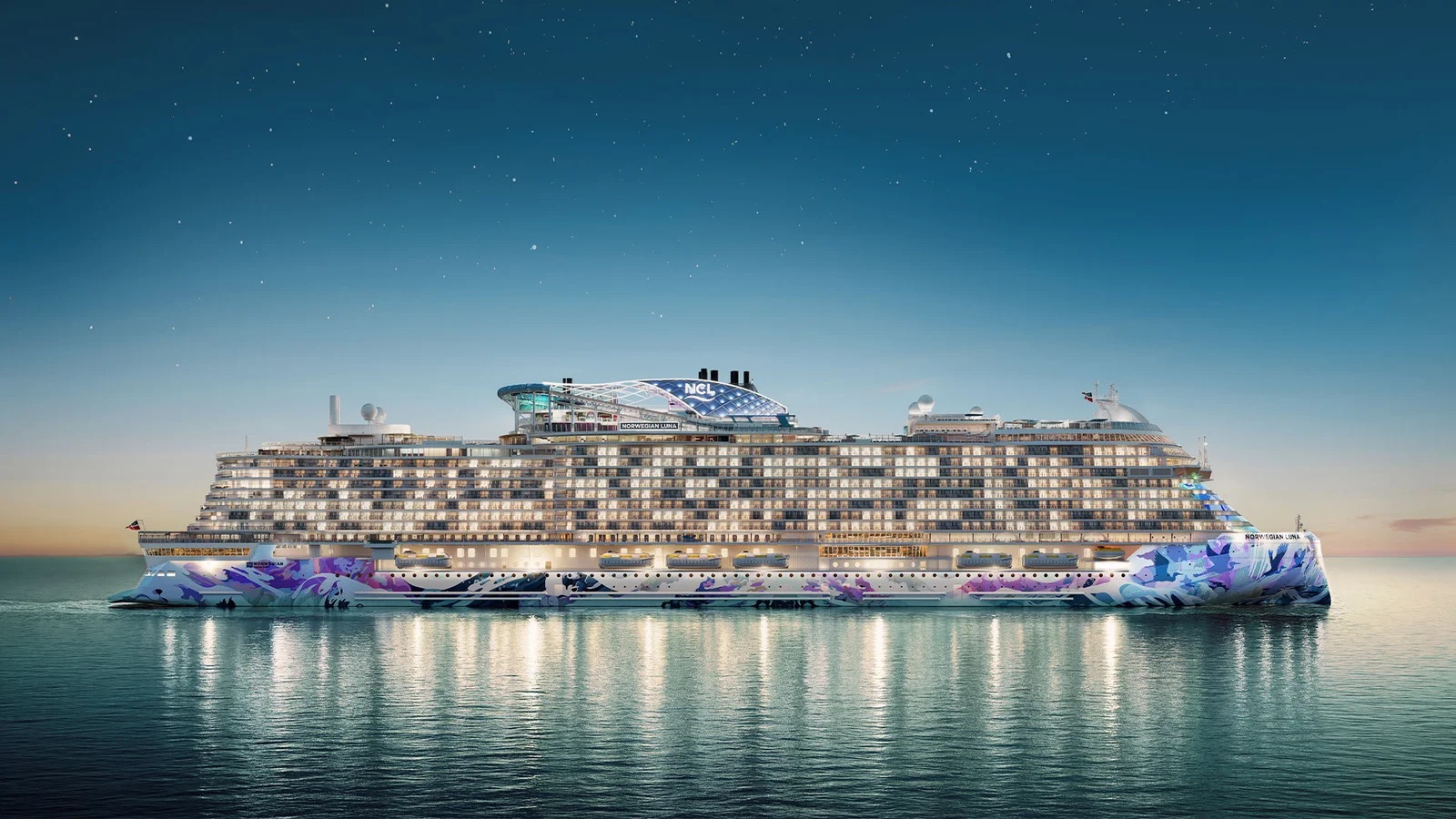
For a cruise like the Norwegian Luna Western Caribbean, which departs from a major port city, flying in the night before gives you a full evening to explore before you even set foot on the ship.
Dreaming of your next voyage?
Let a Cruise Planners advisor build you a custom itinerary — no booking fees.
What About the Cost of an Extra Night?
Here's the math that matters. A pre-cruise hotel night in a solid property near the pier runs anywhere from $150 to $350 in most embarkation cities. Catching a ship at its next port — say, flying from Miami to Cozumel to rejoin a Caribbean itinerary — can easily cost $800 to $2,000 or more per person in last-minute airfare, hotels, and transfers.
And that's if you can catch up at all. Some itineraries make that nearly impossible. An Alaska cruise departing from Vancouver with its next stop in Juneau is not easy to rejoin mid-voyage.
For voyages like an Alaska cruise on Celebrity Summit, where the scenery starts immediately after departure, missing the ship doesn't just cost money. You lose days that can't be replicated.
The extra hotel night is not a splurge. It's the cheapest insurance policy in travel.
How Should You Choose Your Pre-Cruise Hotel?
Stay as close to the terminal as your budget allows. Proximity matters when you're moving luggage and trying to make a noon embarkation window.
Many major cruise ports have dedicated pier hotels that offer shuttle service. In Fort Lauderdale, for example, properties near Port Everglades regularly coordinate with the cruise terminals. In Barcelona, hotels in the Gothic Quarter put you within a short taxi ride of the port.
If you're traveling to a European embarkation city from the U.S., build in at least one full day of buffer — not just one night. Transatlantic and transcontinental flights carry a higher risk of irregular operations, and jet lag alone can derail a chaotic morning. The post on Munich vs Frankfurt connecting flights goes deeper on picking the right European hub if you're connecting onward to your port city.
Don't Skip Travel Insurance
Flying in early dramatically reduces your risk. Travel insurance covers what's left.
A good policy with trip interruption benefits will reimburse your costs if you do miss embarkation due to a covered reason — usually including weather delays, mechanical cancellations, or medical emergencies. It can cover the flights, the hotel, and the transfer costs to catch the ship.
For in-depth cruise travel, including expedition voyages or luxury itineraries, travel insurance isn't optional. It's part of the plan. Pairing a pre-cruise hotel night with a solid policy means you've covered almost every realistic scenario.
For context on how much cash and contingency planning matters on a cruise, the guide on how much cash to bring on a cruise has practical advice that pairs well with pre-trip planning.
Why a Travel Advisor Makes This Easier
A good travel advisor doesn't just book your cruise. They think through your entire travel day — flight routing, connection times, hotel placement, transfer logistics, and insurance coverage — before anything goes on paper.
The travelers who miss ships are almost always those who booked everything separately, optimized for price, and left no margin for error. An advisor builds the margin in. They know which connection times are genuinely safe for a given airport, which hotels are actually close to the pier, and when to push back on a routing that looks fine on the surface but carries real risk.
When you're ready to plan, Jeffrey Lazo at Ohana Cruises is here to help. Reach out and let's build an itinerary that gets you to the pier — relaxed, on time, and ready to go.